Around six in ten UK adults sleep mainly on their side, yet most mattress guides still treat every sleeper the same. If you wake with a numb arm, a sore shoulder or a stiff hip, the problem is often not your mattress quality. It is the firmness and type. Side sleepers need a mattress that lets the shoulder and hip sink in just enough to keep the spine level, while still supporting the body so it does not sag in the middle.
The short answer is this. Most side sleepers do best on a medium firm mattress, one step softer than they would choose for back sleeping, with a cushioned top layer for pressure relief. Your body weight decides exactly where in that range you should sit. Lighter sleepers need a softer feel, heavier sleepers need firmer support, and the mattress type you choose decides how that comfort is delivered. This guide explains how to match firmness to your weight, compares the main mattress types for side sleepers, and shows what to look for when you buy.
Why Side Sleepers Need a Different Mattress
When you lie on your side, your weight rests on a much smaller area than when you lie on your back. The shoulder and hip take most of the load, and those are the places where pressure builds up first. A mattress that is too firm will not give way at those points, so the shoulder gets squeezed, the arm goes numb, and the spine curves instead of staying straight. A mattress that is too soft has the opposite problem. The hip sinks too far, the spine dips in the middle, and you wake with a sore lower back.
Good spinal alignment is the goal. When you lie on your side, your spine should sit in roughly the same straight line it holds when you stand up. That means the mattress has two jobs at once. It must cushion the shoulder and hip so they can sink in, and it must support the waist and lower back so they do not drop. A mattress that does only one of those jobs will leave you uncomfortable, however much it cost.
Your pillow matters too. A pillow that is too flat leaves your head dropping towards the mattress, while a pillow that is too thick pushes your head up at an angle. Either way the neck is out of line all night. Look for a pillow tall enough to fill the gap between your ear and your shoulder when you lie on your side.
The Right Firmness for Side Sleepers by Body Weight
Firmness is not a fixed quality of a mattress. It is how the mattress feels under your weight, so the same mattress can feel medium to one person and firm to another. Body weight is the biggest factor. Use the table below as your starting point, then adjust for personal preference.
| Body weight | Starting firmness | Why it works |
|---|---|---|
| Under 65kg (under about 10 stone) | Soft to medium soft | Lighter sleepers press less into the surface, so a softer top is needed before the shoulder and hip can sink far enough to keep the spine straight. |
| 65kg to 90kg (about 10 to 14 stone) | Medium soft to medium firm | The most common range. A medium firm feel gives enough cushioning for the pressure points with enough support underneath to hold the spine level. |
| Over 90kg (over about 14 stone) | Medium firm to firm | Heavier sleepers sink deeper, so a firmer core is needed to stop the hip dropping too far. A supportive spring unit or a dense foam core works best here. |
A useful rule of thumb is to start one step softer than you would choose if you slept on your back, then move firmer as your weight rises. If two people share the bed and their weights differ a lot, aim for the middle of the range and look for a mattress with a cushioned top layer, which is more forgiving across different body weights than a flat firm surface.
Be careful with firmness labels. There is no UK industry standard for what soft, medium or firm means, so one brand’s medium can feel like another brand’s firm. Treat the label as a guide only. The construction underneath matters far more, which is why the type of mattress you choose is just as important as the firmness rating.
Mattress Types Compared for Side Sleepers
There are three main types of mattress sold in the UK, and each one suits side sleepers in a different way.
| Mattress type | Pressure relief | Spinal support | Temperature | Best for |
|---|---|---|---|---|
| Memory foam | Excellent, moulds closely around the shoulder and hip | Good, if the core is dense enough | Can sleep warm | Side sleepers who want deep cushioning and little partner disturbance |
| Pocket sprung | Good, especially with a soft comfort layer or pillow top | Excellent, springs respond point by point | Sleeps cooler, air moves between springs | Side sleepers who sleep hot or change position often |
| Hybrid (pocket springs plus foam layers) | Excellent, foam top cushions while springs support | Excellent, the spring core holds the spine level | Good, better airflow than foam alone | Most side sleepers, the best of both worlds |
Memory Foam Mattresses
Memory foam softens with body heat and weight, then slowly moulds around your shape. That close contouring is exactly what a side sleeper’s shoulder and hip need, and it spreads weight across a wider area so pressure points get real relief. Memory foam also absorbs movement superbly, so a restless partner barely registers. The trade offs are warmth, because dense foam can trap heat, and responsiveness, because the foam is slower to spring back when you change position. Heavier side sleepers should be careful here. A soft all foam mattress can compress too much under greater weight and let the spine fall out of line.
Pocket Sprung Mattresses
A pocket sprung mattress is built around hundreds or thousands of individual steel springs, each sewn into its own fabric pocket. Because the springs are not wired together, each one moves on its own, pressing back only where your body pushes down. That point by point response gives strong spinal support, and the open space between the springs lets air circulate, so pocket sprung mattresses sleep cooler than foam. On their own, firm pocket sprung models can feel too hard on the shoulder, but add a soft comfort layer or a pillow top and they become an excellent choice for side sleepers. Higher spring counts give a more refined, progressive feel, with extra responsiveness around the pressure points.
Hybrid Mattresses
A hybrid pairs a pocket spring core with foam comfort layers on top. For most side sleepers this is the sweet spot. The springs provide the deep support that keeps the spine level, while the foam top provides the cushioning the shoulder and hip need. Hybrids also sleep cooler than all foam designs and make changing position easier, since the spring core responds quickly. If your shortlist keeps flip flopping between foam and springs, a hybrid usually ends the search.
What to Look for Beyond Firmness
Firmness gets most of the attention, but several other features decide whether a mattress will suit a side sleeper night after night.
A cushioned comfort layer. The top few centimetres do most of the pressure relieving work. A pillow top, a deep foam layer or a soft natural filling gives the shoulder room to sink before it meets the firmer support below. This is often more important than the firmness label itself.
Spring count. In a pocket sprung mattress, more springs generally mean finer, more responsive support. A 1,000 spring mattress gives even, everyday support, while counts of 2,000 and above add a more refined feel with extra give exactly where your body presses hardest.
Depth. A deeper mattress usually means thicker comfort layers, which gives side sleepers more cushioning to sink into. Profiles around 28cm to 35cm are common for quality pocket sprung models with generous comfort layers.
Temperature. If you sleep hot, lean towards pocket sprung or hybrid designs. Air moves freely through a spring unit, carrying heat away from the surface, while dense foam holds warmth. Breathable natural fillings also help.
Partner disturbance. If your partner moves a lot, pocket springs that work independently contain movement far better than old connected coil designs, and memory foam absorbs it almost completely. A hybrid with a high spring count is a strong middle ground.
Edge support. Side sleepers often sleep near the edge of the bed, so a mattress that holds its shape at the sides stops that rolling off feeling. Pocket sprung models tend to be stronger here.
Common Mistakes Side Sleepers Make
Choosing too firm. This is the most common error. A firm mattress might feel supportive when you sit on the edge in a shop, but lying on your side for eight hours is a different test. If your shoulder aches or your arm goes numb, the mattress is too firm for the way you sleep.
Choosing too soft. At the other extreme, a very soft mattress lets the hip sink too far and the spine dips. If you wake with lower back pain that eases once you are up and moving, excess sinkage is a likely cause.
Ignoring body weight. A mattress your lighter partner loves may feel completely different under your weight. Always choose firmness for the heavier sleeper first, then add cushioning through the comfort layer.
Forgetting the pillow. The wrong pillow height undoes the work of the right mattress. Side sleepers usually need a firmer, taller pillow than back sleepers to keep the neck in line with the spine.
Judging by price alone. A higher price does not automatically mean a better mattress for side sleeping. Construction, comfort layers and spring count matter far more than the price tag. And remember that even the best mattress has a lifespan, so if your current mattress is past its best, check the signs it needs replacing before you buy.
Side Sleeper Mattresses at Beds and Beyond
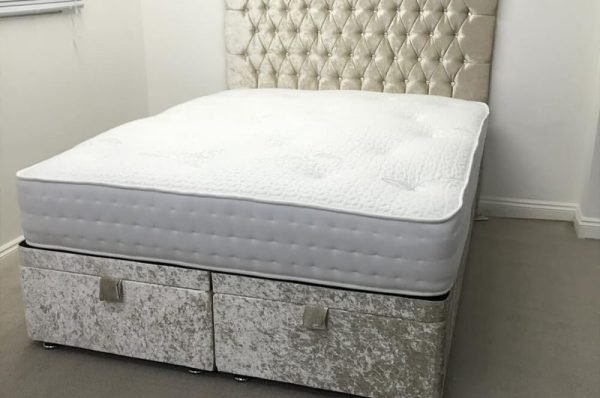
Every mattress in our mattress range is handmade to order in the UK, in sizes from Single to Super King, with free UK delivery. Three models suit side sleepers particularly well.
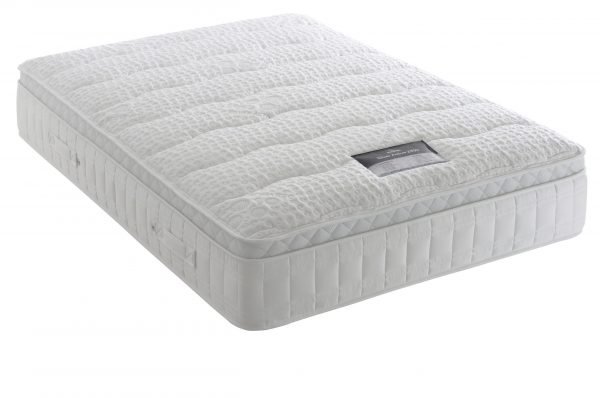
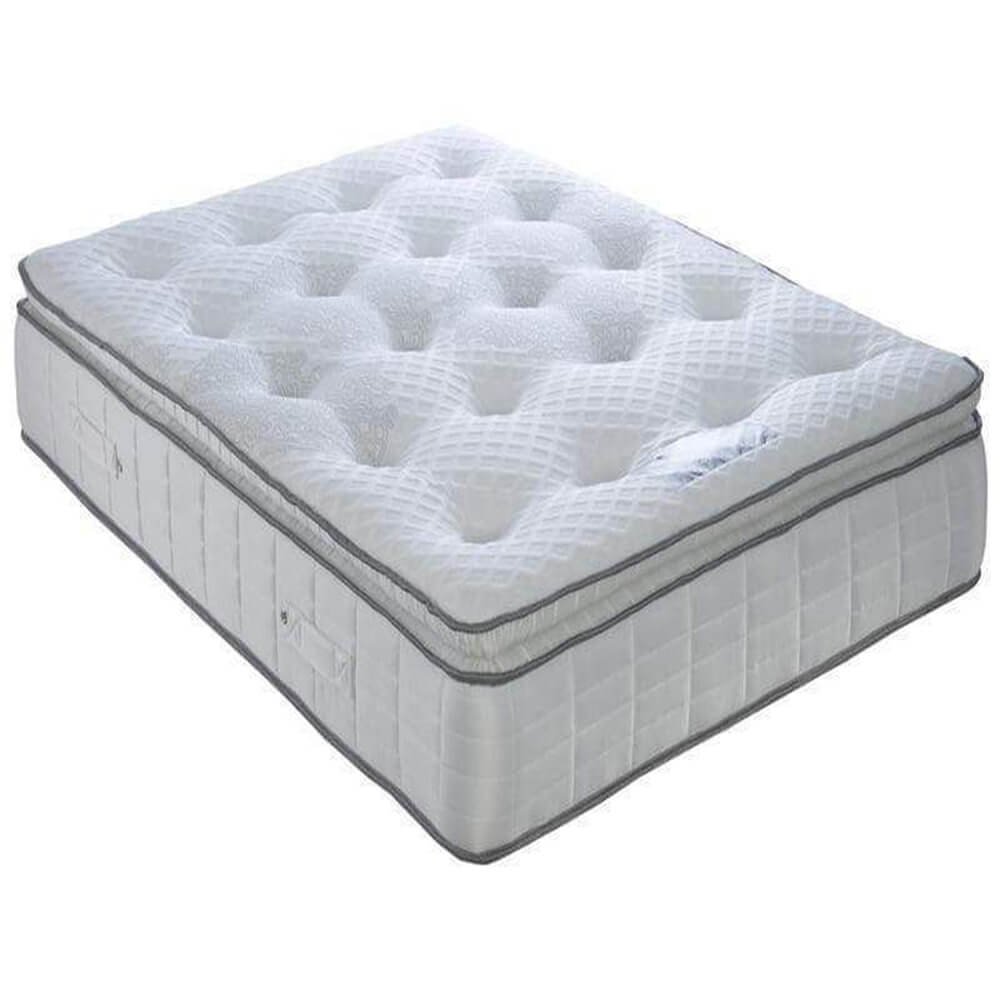
The Pillow Top 1000 Pocket Sprung Mattress pairs 1,000 individual pocket springs with a sumptuous pillow top in a generous 32cm profile. The medium comfort rating and deep cushioning make it a natural fit for side sleepers who want pressure relief with proper support underneath, and the individual springs keep partner disturbance to a minimum.
The Silver Active 2800 Mattress combines 2,000 pocket springs with 800 mini springs in a cushioned top, 2,800 springs working together in a 28cm profile. The cushioned top adds welcoming surface softness over deep, responsive support, and the springs are designed to conform to the body, easing pressure points and encouraging correct spinal alignment.
The Splendour 3500 iCloud Mattress is our most advanced mattress, with 3,500 pocket springs and Cloud Lite Foam in a 35cm deep profile. The foam is made to feel lighter than traditional foam while retaining less heat than memory foam, so side sleepers get deep pressure relief without the warmth that all foam designs can bring.
If you are torn between foam and springs, our pocket sprung versus memory foam guide compares the two types side by side to help you decide.
Frequently Asked Questions
What firmness is best for side sleepers?
Most side sleepers do best on a medium firm mattress, adjusted for body weight. Lighter sleepers under 65kg usually need soft to medium soft, average weight sleepers from 65kg to 90kg suit medium soft to medium firm, and heavier sleepers over 90kg need medium firm to firm to stop the hip sinking too far.
Is memory foam or pocket sprung better for side sleepers?
Both can work well. Memory foam gives the deepest pressure relief around the shoulder and hip, while pocket sprung gives stronger support and sleeps cooler. A hybrid that combines a pocket spring core with foam comfort layers gives most side sleepers the best of both, and a pocket sprung mattress with a pillow top is a strong alternative.
Why does my shoulder hurt when I sleep on my side?
Shoulder pain usually means the mattress is too firm to let the shoulder sink in, so pressure builds up at that point all night. A softer comfort layer, a pillow top or a medium soft mattress often solves it. If the pain persists for more than a few weeks, or you have an existing shoulder problem, speak to a clinician.
Do side sleepers need a special pillow?
Yes, in most cases. A side sleeper needs a pillow tall and firm enough to fill the gap between the ear and the shoulder, keeping the neck in line with the spine. A pillow that is too flat lets the head drop, and one that is too thick pushes it up at an angle.
How do I know if my mattress is too soft for side sleeping?
The clearest sign is lower back pain that is worst in the morning and eases once you are up and moving. That usually means the hip is sinking too far and the spine is dipping during the night. A firmer core, or a mattress with stronger spring support, will hold the spine level.
How long should a side sleeper keep a mattress?
With normal use and proper care, a quality mattress lasts around eight to ten years. If the surface has visible dips where you sleep, the comfort layers feel flat, or you wake stiff most mornings, it is likely time to replace it, whatever its age.
Find the Right Mattress for the Way You Sleep
The best mattress for a side sleeper is not a single model. It is the one that matches your body weight, cushions your shoulder and hip, and holds your spine level all night. Start with the firmness guide above, choose a type that suits how hot you sleep and whether you share the bed, and pay attention to the comfort layer rather than the firmness label alone.
Browse our handmade mattress range to find your match, in every UK size from Single to Super King, with free UK delivery on every order. Every mattress is made to order at our Dewsbury, West Yorkshire workshop, so if you need advice on which model suits your weight and sleep style, our team is happy to help. Sleep better from the very first night.