
How to Look After a Velvet Bed: Cleaning and Care Guide
A velvet bed looks and feels luxurious from the first night, and it stays that way with a surprisingly simple routine. The short answer to how to clean a velvet bed is this: vacuum it gently every week, brush the pile back into line, blot spills straight away instead of rubbing them, and test any cleaner on a hidden area before you use it on a visible stain. Do those four things and velvet is no harder to live with than any other upholstered fabric. What damages velvet is not normal use, but scrubbing, soaking, harsh cleaners and dust left to build up in the pile. This guide covers the weekly routine, stain removal, mistakes to avoid, and how velvet care compares with other bed fabrics.
What makes velvet different from other bed fabrics
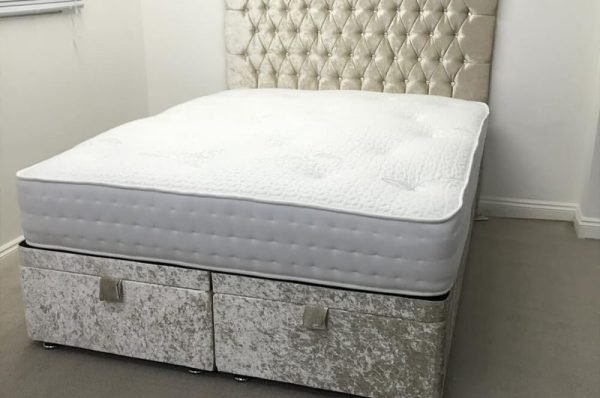
Velvet gets its look from its pile: thousands of short fibres standing upright from the base fabric, catching light differently depending on which way they lean. That is why a velvet headboard can look lighter in one place and darker in another even when perfectly clean. Those patches are usually just pile direction, not dirt or fading, and a soft brush will often even them out in seconds.
The pile is also why velvet traps dust, pet hair and lint more readily than a smooth fabric. Dust settles between the fibres rather than sitting on the surface, so a quick wipe with a dry cloth does very little, while a vacuum with an upholstery attachment lifts dust out properly.
Most velvet used on UK bed frames today is polyester velvet or a polyester blend, chosen because it holds colour well and resists crushing. Cotton velvet is also used and feels beautifully soft, but it can mark more easily with water. If you are unsure which velvet your bed uses, check the care label before you apply water or any cleaner, and use the gentlest method first.
Your velvet bed care kit
Keep these items together so the weekly routine takes minutes:
- A vacuum cleaner with an upholstery attachment, used on a low suction setting
- A soft clothes brush or a dedicated velvet brush
- Clean white cloths or white paper towels for blotting, since coloured cloths can transfer dye
- Lukewarm water and a small amount of mild detergent, such as a gentle washing up liquid or a dedicated upholstery cleaner suitable for your fabric
- A handheld garment steamer, useful for lifting creases and refreshing flattened pile
- A lint roller for quick pet hair removal between vacuums
Avoid bleach, strong solvents, abrasive pads and stiff brushes. None of these belong near velvet, and each one can cause damage brushing cannot undo. If you buy a fabric protector spray, check first that it is suitable for velvet and test it on a hidden area.
The weekly routine that keeps velvet looking new
Little and often is the whole secret of velvet care. Ten minutes once a week will do far more than an annual deep clean after months of neglect.
Start by vacuuming the headboard, frame and side rails with the upholstery attachment on a low setting, working slowly with the pile. To find the pile direction, run your hand lightly across the fabric: it feels smooth one way and slightly resistant the other. Vacuum with the smooth direction, paying attention to the top edge of the headboard and to buttoned areas, where dust gathers in the folds.
Next, brush the pile gently with a soft clothes brush, again in the direction of the pile. This restores an even appearance and lifts light creasing left by pillows or leaning against the headboard.
Finally, deal with the sitting spot. If you always lean against the same part of the headboard to read or watch television, that area flattens first. Vary where you sit when you can, and plump and rotate loose cushions regularly so wear spreads evenly. A throw across the foot of the bed also protects the lower frame from scuffs and pet paws.
In homes with pets or children, vacuum twice a week, since pet hair works its way into velvet pile quickly and regular removal stops it from matting into the fibres.
How to clean a velvet bed, step by step
For a general refresh, or a light mark vacuuming alone has not shifted, follow these steps in order. The key principle throughout is minimal moisture: velvet should never be soaked.
- Vacuum first. Remove all loose dust with the upholstery attachment before you introduce any moisture, since cleaning a dusty surface with a damp cloth pushes dirt deeper into the pile.
- Blot any spill immediately. Press a clean dry white cloth firmly onto the spill and lift it away, repeating with a fresh section until no more liquid transfers. Work from the outside of the stain towards the centre so you do not spread it. Never rub, since rubbing pushes liquid into the pile base and distorts the fibres.
- Test before you treat. Apply a tiny amount of your chosen cleaner to a hidden area, such as the back of the headboard, and leave it to dry fully. Check for colour change or stiffness before treating the visible stain. This one step prevents most cleaning disasters.
- Spot clean gently. Dampen a clean white cloth with lukewarm water and a very small amount of mild detergent, wringing it out until barely damp. Dab the stain lightly, working from the outside inwards. Do not spray cleaner directly onto the fabric, since that makes it hard to control how wet the velvet becomes.
- Rinse by blotting. Dampen a second cloth with plain lukewarm water, wring it well, and blot the treated area to lift detergent residue. Leftover detergent attracts dust, so this step matters even when the stain looks gone.
- Dry fully with air. Let the area dry naturally with good airflow, opening a window or using a fan. Avoid direct heat from a hairdryer, radiators or direct sunlight while the fabric is damp, since uneven drying can leave water marks. Do not brush the pile until it is completely dry.
- Brush the pile back into line. Once dry, brush gently in the direction of the pile to restore an even texture and sheen. If the area still looks flat, a handheld steamer held a few centimetres away can lift the pile. Keep the steamer moving and let the fabric dry again before brushing.
For a whole bed refresh, follow the same order across the headboard and frame in sections, allowing each section to dry before moving on. A light steam over the full headboard after vacuuming revives a bed that looks tired but is not actually stained.
Common velvet bed stains and how to treat them
Different stains need slightly different handling, but the rules stay the same: act quickly, blot first, test first, use minimal moisture and let the fabric dry fully.
| Stain | What to do first | Then try |
|---|---|---|
| Tea or coffee | Blot immediately with a dry white cloth | Dab with a barely damp cloth and a little mild detergent, rinse by blotting, air dry, then brush the pile |
| Water rings or damp marks | Allow to dry fully, then brush gently | Lightly steam from a few centimetres away and brush again once dry, since uneven drying often causes the ring |
| Food or drink spills | Lift solids with a spoon, blot liquids at once | Dab with mild detergent solution, working from the outside inwards, and repeat lightly rather than soaking the area |
| Oil or grease | Blot away as much as possible without rubbing | Sprinkle a little cornflour or talcum powder, leave it for several hours to absorb the oil, brush off and vacuum, then spot clean if a mark remains |
| Pet hair and light soiling | Vacuum with the upholstery attachment | Follow with a lint roller or a damp rubber glove wiped across the pile to lift stubborn hair |
| Dusty or flattened pile with no stain | Vacuum, then brush in the direction of the pile | Steam lightly from a distance and brush again once dry |
Some stains are best left to a professional. Ink, nail varnish, paint, blood and machine oil can set permanently if treated with the wrong product. If a stain has dried and set, or the care label specifies dry clean only or solvent cleaning only, use a professional upholstery cleaner, since water on a solvent only velvet can leave a permanent ring.
Mistakes that ruin velvet beds
Most velvet damage comes from good intentions and the wrong technique.
Scrubbing a stain is the most common error. It breaks pile fibres, pushes stains deeper and can leave a pale, fuzzy patch that brushing will not fix. Blotting feels slower, but it is the only safe approach.
Soaking the fabric is the second error. Velvet should never be saturated, and a dripping cloth or direct spray is far too wet. If the padding underneath feels damp, you have used too much: blot away the excess and let the area dry fully before judging the result.
Using the wrong cleaner comes third. Bleach, strong stain removers and sprays designed for hard surfaces can strip colour or stiffen velvet permanently. Stick to mild detergent in small quantities, or a cleaner made for upholstery, and always patch test.
Skipping the patch test is how a small stain becomes a large problem. Even gentle products can react unexpectedly with a particular dye or blend. A two minute test on a hidden area is the cheapest insurance you will ever buy.
Drying with direct heat is another trap. A hairdryer on high heat, a radiator or strong sunlight on damp velvet can set water marks and distort the pile. Air drying takes longer but dries evenly, which prevents rings.
Finally, ignoring sunlight and pressure will age velvet faster than any single stain. Keep a velvet bed out of the harshest direct sun where possible, and vary your sitting position so one section of pile does not flatten.
Velvet care compared with other popular bed fabrics
Velvet is neither the highest nor the lowest maintenance bed fabric. This comparison uses fabrics available across the Beds and Beyond bed ranges, so you can judge whether velvet suits your household before you buy.
| Fabric | Feel and look | Weekly care | Spill handling | Best for |
|---|---|---|---|---|
| Velvet | Soft, rich pile that catches the light | Vacuum and brush weekly | Blot at once, spot clean gently, never scrub | Statement bedrooms and adults who enjoy a little routine |
| Crushed velvet | Glamorous, light reflecting finish with varied pile direction | Vacuum weekly, brush lightly | Same blotting approach as velvet, with extra care around water marks | Hotel inspired bedrooms and jewel tones |
| Chenille | Soft, textured and cosy | Vacuum weekly | Blot spills, generally more forgiving day to day than velvet | Family bedrooms and beds that get heavy daily use |
| Faux leather | Smooth, clean modern finish | Wipe with a damp cloth | Wipe clean quickly, no pile to trap spills | Households with young children or pets who want the easiest cleaning |
If you love velvet but worry about upkeep, crushed velvet hides light pile marks more readily and chenille tolerates busy family life with less visible wear. For velvet itself, a deeper colour shows dust and light marks less readily than very pale velvet in a busy household.
Long term care: keeping a velvet bed beautiful for years
Beyond weekly cleaning, a few habits protect your investment. Check the frame fixings occasionally so the bed stays stable and silent, since a bed that rocks puts uneven pressure on upholstery over time.
Protect the headboard from oils and lotions, which can transfer to velvet where your head rests and gradually darken the pile. A washable headboard cushion that can be laundered separately is a simple barrier.
Consider a professional upholstery clean once a year, or every six months in a home with pets, children or heavy daily use. It reaches dirt home vacuuming cannot and refreshes the full pile evenly.
Frequently asked questions
Is a velvet bed hard to keep clean?
Not hard, but it needs regular attention. A weekly vacuum with an upholstery attachment and a quick brush of the pile keeps velvet looking even and fresh. Blot spills immediately rather than rubbing them, and patch test any cleaner on a hidden area first.
Can I use a steam cleaner on a velvet bed?
A light handheld garment steamer can refresh velvet pile and lift creases, provided the manufacturer confirms the fabric tolerates heat and moisture. Hold it a few centimetres away, keep it moving, and allow the fabric to dry fully before brushing.
How do I remove a water mark from velvet?
Water marks usually come from uneven drying. Allow the area to dry fully, then steam lightly from a distance and brush once dry. For a stubborn ring, dab very lightly with a barely damp cloth over the whole area rather than just the ring, so it dries evenly, then air dry and brush.
What should I do if I spill red wine on a velvet bed?
Blot immediately with a clean dry white cloth, pressing firmly and replacing the cloth as it absorbs liquid. Do not rub. Once the excess is lifted, dab gently with a barely damp cloth and a little mild detergent, rinse by blotting, and air dry fully before brushing. If the stain has set, contact a professional cleaner rather than trying stronger chemicals at home.
Does velvet fade in sunlight?
Yes, strong direct sunlight can fade velvet colour over time, as it can with most dyed fabrics. Position a velvet bed out of the harshest direct sun where possible, and use curtains or blinds in a very bright room.
How often should a velvet bed be professionally cleaned?
Once a year is generally enough for most households, or every six months in a home with pets, children or heavy daily use. Between professional cleans, weekly vacuuming and brushing, prompt spill blotting and occasional light steaming will keep the bed in excellent condition.
Find a velvet bed you will love looking after
Velvet rewards a little regular care with years of luxurious looks. Vacuum gently, brush the pile, blot spills straight away, patch test before you treat a stain, and let everything dry fully before brushing.
Browse the luxury bed range at Beds and Beyond to see velvet, crushed velvet and chenille designs handmade to order by our family run workshop in Dewsbury, near Batley, in sizes from single to super king. The wingback bed range is a wonderful place to start if you love a tall padded headboard, while the ottoman bed range pairs luxurious upholstery with generous hidden storage. Every bed can be browsed online with free UK delivery, and our guides to wingback beds and UK bed sizes can help you choose the right size.